
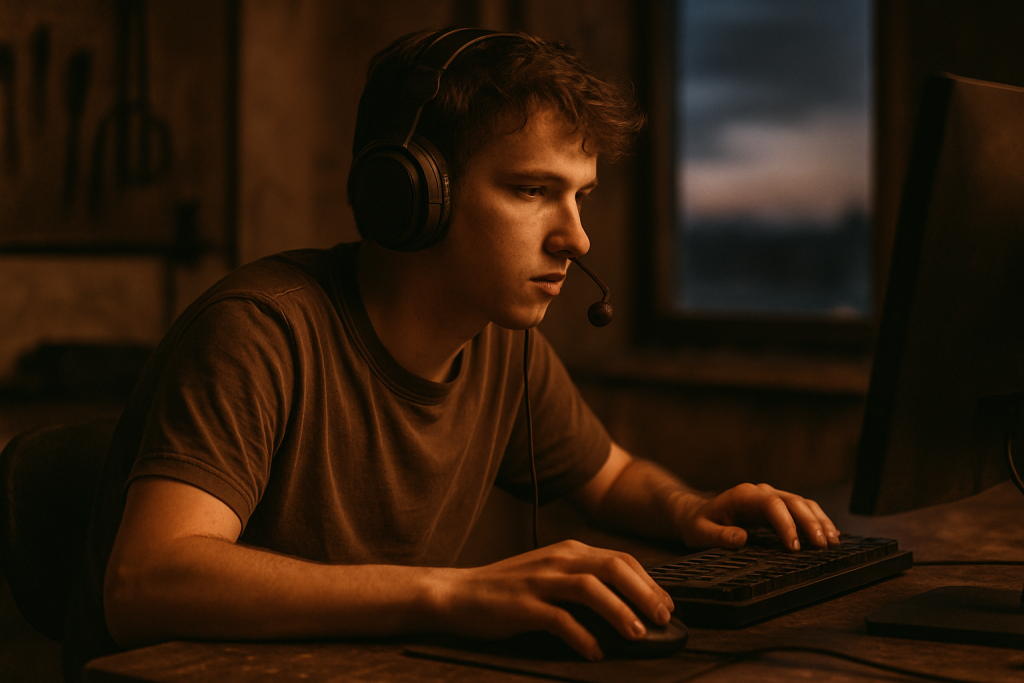
Understand What Esports Really Is
Esports isn’t just kids playing games. It’s a full blown competitive ecosystem where pro players train like athletes, teams sign contracts, and tournaments offer prize pools in the millions. Competitive gaming today means organized play at the highest level against people who’ve put in thousands of hours, often with coaching, analysts, and team staff behind the scenes.
Casual gaming is for fun. Boot up, play a few rounds, log off. Esports is built on structure and pressure. Pros are judged on precision, strategy, awareness, and consistency. They play the same maps, study data, and practice routines like any traditional sport. You don’t show up to win you show up prepared to not lose.
The biggest titles in esports? Fast paced and intense. First Person Shooters (FPS) like Valorant and Counter Strike 2 demand raw aim and smart positioning. MOBAs (Multiplayer Online Battle Arenas) like League of Legends and Dota 2 focus on complex team play and split second decision making. Then there’s Battle Royale games like Apex Legends and Fortnite chaotic, strategic, and often solo or duo based. Each genre requires its own muscle memory and mindset. Understand the landscape before you step onto the stage.
Choose Your Game and Platform Wisely
Before you install anything, start with this question: what kind of player are you? If you lean toward fast reflexes, high pressure situations, and solo impact, FPS titles like Valorant or Apex Legends might click. Prefer teamwork, strategy, and slower pacing? Think League of Legends or DOTA 2. Maybe you’re all about grind and progression MMORPGs or card based battlers could suit you.
Don’t just chase a game because it’s popular. Competitive gaming takes serious hours, and burnout is real. Pick a title that fits your playstyle and the time you’re realistically going to put in every week. Casual curiosity won’t survive in a ranked ladder.
Now the platform. PC still leads in raw muscle and customizability for serious competitive play, especially for genres that depend on speed and precision. Consoles are user friendly and have solid esports scenes for specific games like Call of Duty or FIFA. Mobile has exploded too especially in regions where phones are the first gaming device. If you’re serious about going pro, pay attention to where the tournaments, sponsors, and big prize pools are centered.
Finally, look under the hood. Who’s actually playing this game competitively? Is it easy to find ranked matches, amateur leagues, or Discord groups? Are there Twitch streams and YouTube channels breaking down metas and builds? The bigger and more active the scene, the easier it is to improve, network, and get noticed.
This isn’t about just playing it’s about positioning yourself where competition thrives. Choose your battleground with intent.
Master the Fundamentals Before Chasing Wins
Before you worry about flashy plays or rankings, get your basics straight. Competitive esports starts with raw mechanics. Think reaction time, aim, and map awareness. These aren’t perks they’re your foundation. The better you get at these, the more you’ll squeeze out of every second in game.
Reaction time can be trained with drills or deathmatch modes. Aim improves through repetition, consistent mouse sensitivity, and tools like aim trainers. Map knowledge is about knowing where people hide, rotate, and push. Study the maps like you’re prepping for a test. Every corner matters.
Next layer: decision making and team play. Most games aren’t won solo. Learn when to trade, push, fall back, or bait. Good players follow instincts. Great players follow comms and clash with purpose. If your squad is half guessing each other, you’ve already lost.
Set up a training routine and stick to it. Start with 30 minutes of aim or mechanics work, then alternate between ranked sessions, vod reviews, or scrims depending on your goals. Doesn’t have to be complicated. Just consistent. Train smart, practice like you play, and let habits do the heavy lifting.
Set Up Your Tools for Success
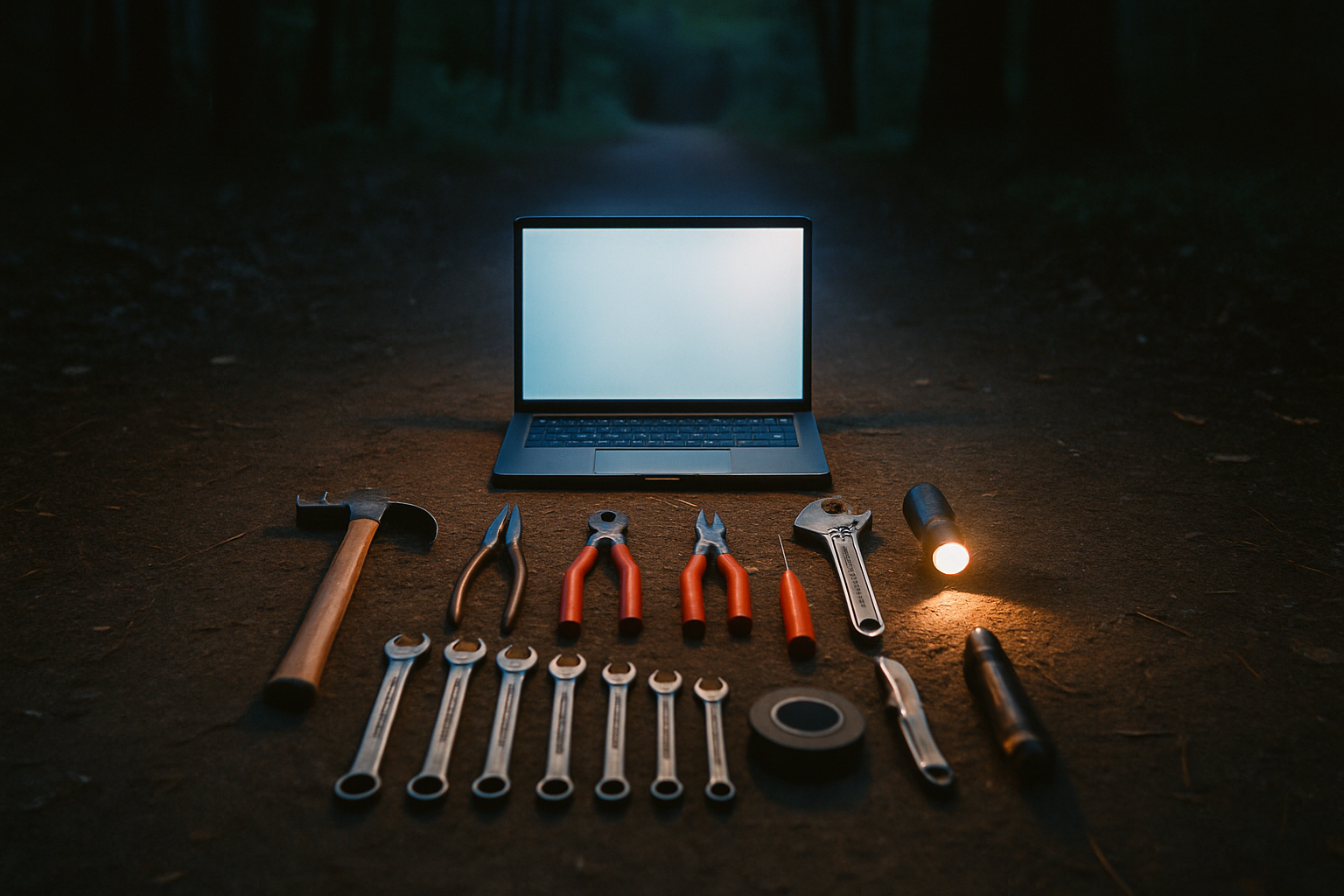
Before you can play like a pro, you need to gear up like one. That doesn’t mean spending thousands, but it does mean getting serious about your setup. Start with the essentials: a high refresh rate monitor (think 144Hz or better), a responsive mouse with customizable DPI, a headset with reliable directional audio, and a controller (if your game calls for it) that feels solid and has zero input lag.
Next, dial in your settings. Competitive play isn’t a beauty contest turn down shadows, motion blur, and other pretty distractions. Crank up performance. Lower latency, cleaner visuals, faster reactions. That’s the goal. Test different configs until you find what clicks.
Finally, your space matters. Clear out distractions. Interruptions mid match cost games. Use wired connections whenever possible. Ditch the clutter. Set up for grind mode, not Netflix and play sessions. This is your training ground. Treat it like one.
Practice Like a Pro
Leveling up in esports takes more than solo grinding. True skill development happens when you train with purpose, learn from others, and analyze your performance like an athlete.
Scrim with Organized Teams
Scrimmages, or “scrims,” are structured practice matches between teams. These sessions replicate competitive environments and are essential for improving synergy and refining strategy.
Helps develop real time communication under pressure
Strengthens team chemistry and role clarity
Prepares you for tournament level play
Look for teams through Discord communities, esports forums, or in game networks. When scrimming, treat every match as a professional opportunity to learn and improve.
Study the Best to Become the Best
Watching high level gameplay is one of the fastest ways to elevate your skills. Observe top players in ranked matches, pro tournaments, or via streaming platforms.
Focus on:
Movement patterns and positioning
Game sense and decision making
Loadouts, builds, and mechanics under pressure
Take notes. Pause and replay unclear moments. Ask yourself, “Why did they make that choice?” then try to replicate and adapt accordingly.
Analyze Your Losses and Track Progress
Losing is part of the process. But smart players turn every defeat into fuel for improvement.
Record your own gameplay and rewatch it from a critical perspective
Note recurring mistakes: positioning errors, poor timing, missed opportunities
Use stat tracking tools or software to monitor long term progress
This habit builds awareness and separates serious competitors from casual players.
Deep Dive for Serious Players
Ready to go deeper into competitive growth strategies? Don’t miss this in depth guide packed with valuable techniques:
Tips for Esports Players
Whether you’re solo queuing, scrimming, or attending your first online qualifier, continuous learning is key. Practice deliberately, reflect often, and treat every session as a stepping stone toward mastery.
Build Your Presence in the Scene
If you’re serious about going competitive, grinding solo queue won’t be enough. Start showing up where the action happens. Join ranked ladders, sign up for open tournaments, and keep an eye on amateur leagues. These aren’t just warm ups they’re scouting grounds. Plenty of players got noticed not because they were flashy, but because they kept showing up and improving on the radar.
Networking isn’t optional either. Discord servers, Reddit threads, and focused game forums are where real connections happen. Find the right communities for your title, talk strategy, ask questions, or just hang out. You’ll learn faster and might even find teammates or coaches looking to build something serious.
And while you’re grinding and networking, start building your name. Stream your sessions, upload highlights, record breakdowns. You’re not just a player anymore you’re a brand. Even a steady trickle of followers can open doors to orgs, sponsors, or future collabs.
Above all, leveling up is about steady reinforcement. Keep sharpening your mechanics, vision, and habits. You’ll find a solid set of strategies here: Tips for Esports Players.
Staying Competitive Long Term
Grinding games every day sounds great until it’s suddenly not. Burnout is real in competitive esports, and it usually shows up when you least expect it. Mental fatigue, poor focus, losing your edge all signs you’re running low. Recovery matters as much as reps. That means knowing when to step away, recharge, and come back sharper. Mental health isn’t a soft topic here it’s a long term performance lever.
Same goes for your body. You can’t breeze through hours of scrims running on energy drinks and three hours of sleep. If your nutrition is junk and your sleep schedule’s wrecked, your reaction time lags. Your decision making falls apart. Build a baseline of physical health move regularly, hydrate, nap if you have to. You’re not just competing with a keyboard. You’re bringing your brain and body into every match.
And don’t forget the game keeps changing. If you’re not adapting to patch notes, balance updates, and meta shifts, you’re outdated before the next season starts. Top players study trends like athletes watch game film. Every update is either an edge or an excuse. Stay sharp, stay flexible, and never assume yesterday’s skill is enough for tomorrow’s lobby.
Final Push: When to Go All In
There comes a point where grinding ranked matches and scrims isn’t enough you start winning consistently, outplaying higher tier players, and maybe even getting noticed in your community. That’s when you might be ready to take the next step. Signs? You’re dominating local tournaments. Your stats hold up under pressure. And most importantly, you have the time, mindset, and support to commit.
This is when semi pro tournaments or joining a team become real options. These aren’t just hobby games anymore. You’re expected to show up, perform, communicate, and improve constantly. Tryouts can be cutthroat. Results matter. But the experience levels you up fast.
Balancing an esports push with work or school? Not easy. It takes structure. You need a schedule that prioritizes practice but doesn’t destroy your day to day life. That might mean less binge time, more reps. Manage energy, track time, stay healthy. Ambition means nothing if you burn out before getting there.
Make the jump when your skill, consistency, and life logistics line up. The next level isn’t just for people who play more it’s for people who plan better, too.
 Sherrylaines Merrill, a pivotal force in the project, brought unmatched leadership and creative direction to Bet Roll Gamble. Her deep understanding of the betting industry, combined with an innovative vision, ensured the platform offers not only valuable content but also resonates with its audience. Sherrylaines played a key role in aligning the platform’s strategy with user needs, creating a resource that is both insightful and practical.