
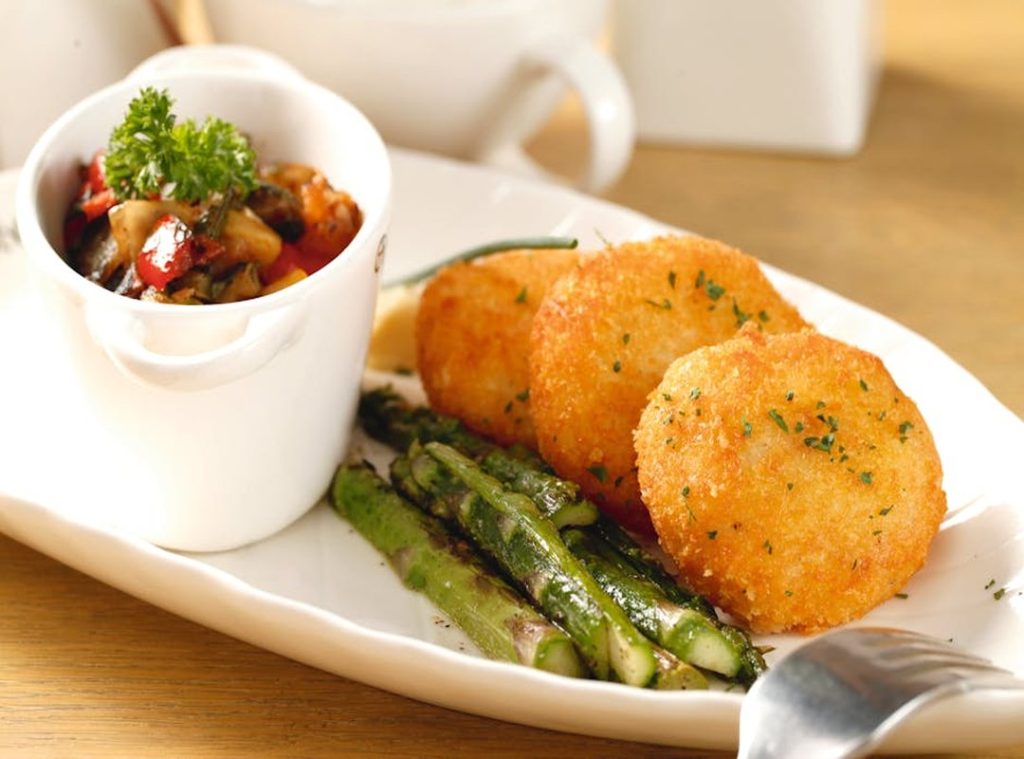
You know the movie, right? The one with the little rat who dreams of being a chef. But let’s talk about the real deal: ratatouille.
It’s not just some fancy French dish or a simple veggie mush.
This guide is here to set the record straight. We’ll dive into the humble origins and show you how to bring out the best in each ingredient.
By the end, you’ll be whipping up a ratatouille that would make any Provençal grandmother proud. Trust me, it’s simpler than you think.
So, let’s get started.
What Is Authentic Ratatouille? A Taste of Provence
Ratatouille is a traditional vegetable stew that comes from the Provence region of France, specifically Nice. It’s a dish that captures the essence of the Mediterranean with its rich flavors and vibrant colors.
Core ingredients include ripe tomatoes, zucchini, eggplant, bell peppers, onions, and garlic. Each one brings something unique to the table, creating a symphony of tastes and textures.
Herbes de Provence—a blend of thyme, rosemary, savory, and oregano—are crucial. They give ratatouille its signature aroma and flavor, making it distinctively Provençal.
The name ratatouille comes from the Occitan word ‘ratatolha,’ meaning ‘to stir up.’ This reflects its rustic, no-fuss preparation, where all the ingredients are stirred together in a pot.
Originally, ratatouille was a humble “peasant dish.” Farmers created it to make delicious use of the abundant late-summer vegetable harvest. It’s a testament to the resourcefulness and creativity of those who had to make do with what they had.
There are two primary methods of preparing ratatouille: cooking all the vegetables together or cooking each one separately. The choice depends on your preference for texture and flavor.
| Method | Description |
|---|---|
| All Together | Cooking all vegetables at once, which is quicker and easier. |
| Separately | Cooking each vegetable individually, then combining them, which enhances individual flavors. |
Both methods have their merits, and the choice often comes down to personal preference and the time you have available.
In the next section, we’ll dive deeper into these methods and how they can impact the final dish. chef:l2-oermxmy4= ratatouille is more than just a stew; it’s a celebration of the simple yet profound pleasures of good, fresh ingredients.
The Single Biggest Mistake Most Cooks Make
You know that feeling when you’re excited to make a delicious ratatouille, only to end up with a watery, mushy mess? It’s frustrating.
The most common pitfall is tossing all the vegetables into the pot at once. This leads to muddled flavors and unappealing textures.
Why does this happen? Different vegetables have vastly different water content and cooking times. For example, eggplant needs more time to become creamy, while zucchini cooks quickly.
The solution? Sauté each vegetable separately before combining them in the final stew.
- Eggplant: Cook until it’s tender and golden.
- Peppers: Soft and slightly caramelized.
- Zucchini: Tender-crisp, not overcooked.
This method allows each vegetable to caramelize properly, develop its own distinct flavor, and maintain its ideal texture.
It’s the key step that elevates ratatouille from a basic stew to a truly exceptional dish. Trust me, your taste buds will thank you.
From Rustic Stew to ‘Tian’: The Modern Interpretation

You’ve probably seen the visually stunning, thinly-sliced version of ratatouille in the movie. That’s actually a tian or Confit Byaldi.
This elegant presentation is a modern take on the dish, famously developed by chef Thomas Keller.
To make a tian, vegetables are sliced paper-thin (ideally with a mandoline), arranged in a tight spiral over a base sauce (piperade), and then baked.
The traditional stew, on the other hand, is hearty, rustic, and deeply melded in flavor.
The tian is delicate, visually artistic, and highlights the individual vegetable slices.
Neither version is “wrong.” They just represent two different culinary experiences from the same set of ingredients.
When to make each? The classic stew for a comforting family meal. The tian for an elegant dinner party or special occasion.
If you’re looking for more insights into the world of gourmet cooking and beyond, check out Betrollgamble.
Pro Tips for Sourcing, Serving, and Storing
Stress the importance of ingredient quality: ratatouille is only as good as the vegetables you start with. Use fresh, ripe, in-season produce for the best results.
- Sourcing: Some might argue that frozen or out-of-season veggies are just as good. But trust me, the flavor and texture of fresh, in-season produce make a huge difference.
You can serve ratatouille in many ways. It’s versatile.
- Serving Suggestions:
- As a main course with crusty bread.
- A side dish for grilled fish or roast chicken.
- Over creamy polenta or pasta.
Some people think it’s just a side dish, but it can be so much more.
Another secret: ratatouille tastes even better the next day. Allowing it to rest overnight lets the flavors meld and deepen.
- Storage Advice:
- It keeps well in the refrigerator for several days.
- It also freezes beautifully, making it perfect for batch cooking.
Some might say it’s too much effort to make in large batches. But having a ready-made, flavorful dish in the freezer is a lifesaver on busy days.
A final finishing tip: a drizzle of high-quality, peppery extra-virgin olive oil and a sprinkle of flaky sea salt just before serving can brighten all the flavors.
Adding a dollop of goat cheese or a scattering of fresh basil when serving can add another layer of flavor.
So, whether you’re making ratatouille for a special occasion or a weeknight dinner, these tips will help you get the most out of this classic dish.
Bring the Soul of French Cooking to Your Table
True ratatouille is a celebration of summer vegetables, made perfect by treating each ingredient with care. You are now equipped with the key techniques to avoid common mistakes and create a dish with incredible depth of flavor and texture.
Consider the two paths: the hearty, traditional stew or the elegant, modern tian. Both offer unique ways to savor the rich flavors of this classic.
Visit your local market, gather the best seasonal vegetables you can find, and experience the joy of making this timeless French classic in your own kitchen.
 Danny Stark brought technical expertise to the forefront by designing and optimizing the platform’s architecture to ensure smooth performance. From streamlining user interfaces to implementing responsive features, Danny focused on delivering a fast and seamless experience for visitors across all devices. His work behind the scenes ensured Bet Roll Gamble operates efficiently under high traffic, providing users with uninterrupted access to content and tools.