

Global trauma assessment is a critical but often overlooked aspect of mental health. Especially in Spanish-speaking communities, the lack of accessible and culturally sensitive resources can be a real barrier. mind betterme world trauma test español is a tool that aims to change that.
Why should you trust this guide? It’s based on extensive research and collaboration with mental health professionals who specialize in trauma and cross-cultural psychology. This article provides a comprehensive look at global trauma assessment in Spanish, including tools, techniques, and best practices.
Are you wondering why this matters? Effective trauma assessment can make a significant difference in providing the right support and treatment. Let’s dive in.
Understanding Trauma and Its Impact
Defining Trauma
Trauma is a deeply distressing or disturbing experience. It can come in many forms, like physical abuse, natural disasters, or even the loss of a loved one. These experiences can leave lasting emotional and psychological scars.
Global Perspective
Trauma isn’t just a local issue; it’s a global one. Different regions and cultures face unique challenges. For example, Spanish-speaking populations often deal with specific stressors like migration and cultural displacement.
Understanding these nuances is key to providing effective support.
Importance of Assessment
Accurate and culturally sensitive trauma assessment is crucial. It helps in identifying the right treatment and support. Without it, people might not get the help they need, leading to prolonged suffering.
Why is this so important? Well, everyone experiences and processes trauma differently. A one-size-fits-all approach just doesn’t work.
Take, for instance, the mind betterme world trauma test español. This tool is designed to be culturally relevant and accessible, making it easier for Spanish-speaking individuals to understand and address their trauma.
Pro tip: Always seek out assessments that are tailored to your specific background and experiences. This ensures you get the most accurate and helpful results.
Key Components of Trauma Assessment
Initial screening is the first step. It’s crucial for identifying potential trauma. Using validated tools in Spanish can make a huge difference.
Think about it. If you’re not using the right tools, you might miss something important. It’s like trying to watch a movie without subtitles when you don’t understand the language.
Comprehensive evaluation comes next. This involves detailed steps such as clinical interviews, self-report measures, and behavioral observations. Each step helps build a clearer picture of the individual’s experience.
Cultural considerations are key. Adapting assessment tools and techniques to be culturally appropriate is essential. You need to be sensitive to the needs of Spanish-speaking individuals.
Pro tip: Always ask yourself, “Is this tool or technique mind betterme world trauma test español?” It’s a good way to check if you’re on the right track.
Remember, everyone’s experience is unique. Just like how every episode of a TV show has its own story, each person’s trauma journey is different. Treat it that way.
Tools and Resources for Trauma Assessment in Español
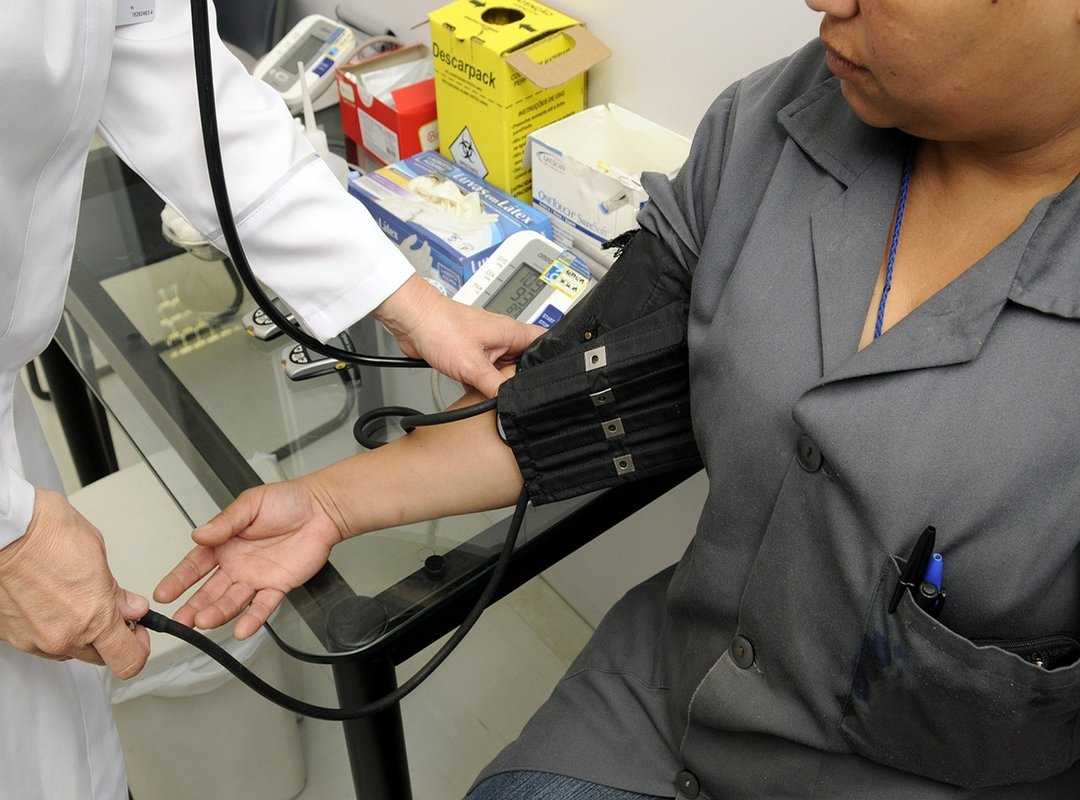
When it comes to assessing trauma, having the right tools is crucial. You need instruments that are both validated and available in Spanish.
The PTSD Checklist (PCL-5) and the Trauma Symptom Inventory (TSI) are two commonly used tools. They’re reliable and have been adapted for Spanish-speaking populations.
Online resources can be a game-changer. Websites like mind betterme world trauma test español offer free or low-cost access to these tools. They make it easier for mental health professionals to get the materials they need.
Professional training is also key. There are programs and certifications specifically designed to enhance skills in conducting trauma assessments in Spanish. These can help you stay up-to-date and effective in your practice.
Finding the right resources can be overwhelming. But with the right tools and training, you can make a real difference.
(And if you’re looking for other ways to stay informed, why not check out some of the latest events in your field? For example, learn about the top poker tournaments this year.)
Best Practices for Conducting Trauma Assessments in Spanish
Building trust is crucial. Use interpreters and cultural brokers to bridge the language gap. This helps clients feel understood and respected.
Ethical considerations are non-negotiable. Confidentiality, informed consent, and cultural competence must be at the forefront. For instance, a study by the American Psychological Association found that culturally sensitive practices improve client outcomes.
Follow-up and support are just as important. Provide ongoing care and referrals to specialized services. Community resources can also play a vital role in recovery.
One effective tool is the mind betterme world trauma test español. It’s designed to assess trauma in a culturally relevant way. This ensures that the assessment is not just linguistically but also culturally appropriate.
Remember, the goal is to create a safe and supportive environment. By following these best practices, you can make a real difference in the lives of your Spanish-speaking clients.
Empowering Spanish-Speaking Communities Through Trama Assessment
mind betterme world trauma test español is a vital tool for addressing the unique needs of Spanish-speaking communities. It’s essential to use culturally sensitive and validated tools in trauma assessment. These tools help ensure that the care provided is both effective and compassionate.
Prioritizing and investing in such resources can significantly enhance the support and services available to these communities.
 Danny Stark brought technical expertise to the forefront by designing and optimizing the platform’s architecture to ensure smooth performance. From streamlining user interfaces to implementing responsive features, Danny focused on delivering a fast and seamless experience for visitors across all devices. His work behind the scenes ensured Bet Roll Gamble operates efficiently under high traffic, providing users with uninterrupted access to content and tools.